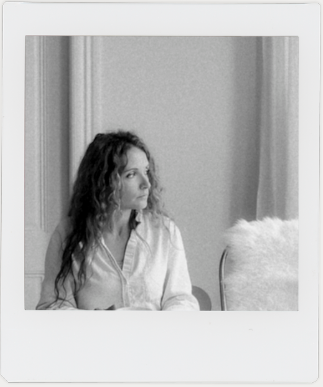
What Makes a Wedding Truly ‘Local’: How Place Shapes the Story of a Day
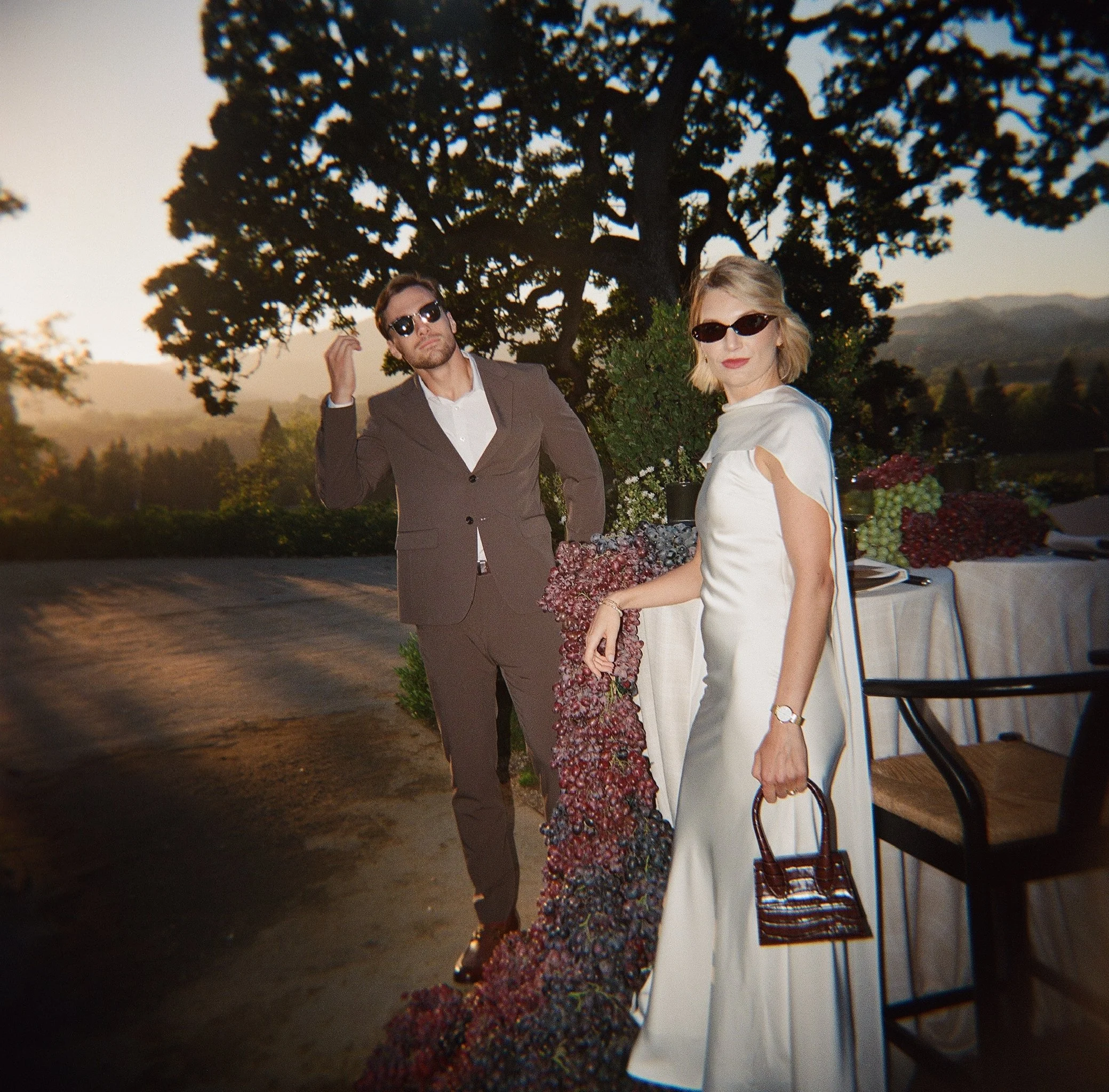
Weddings in California are shaped as much by landscape as by people.
A celebration in Los Angeles carries a different energy than one along the Carmel coast. San Francisco light behaves differently from wine country evenings in Napa and Sonoma.
Place is not simply where a wedding happens. It quietly determines how the day unfolds and how it will ultimately be remembered.
How Wedding Storytelling Changes With Place
A wedding is not only shaped by the people present. It is shaped by where it happens.
Light behaves differently in Los Angeles than it does along the Carmel coastline. Fog alters mood in San Francisco. Vineyards in Napa and Sonoma hold sound and color in a way that urban architecture never will.
Place is not a backdrop. It is a collaborator.
Understanding this changes how a wedding is photographed.
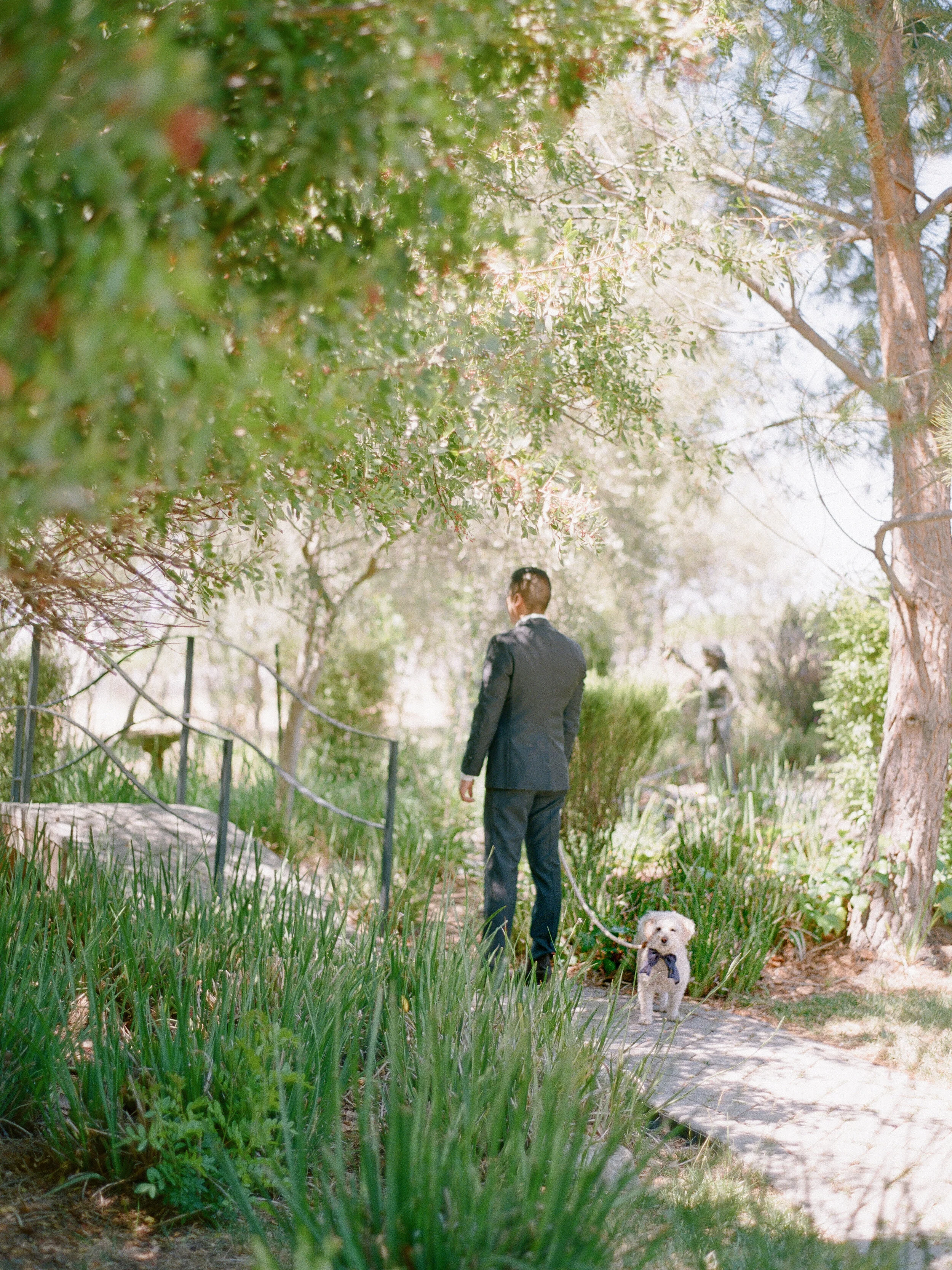
Cities Move With Intention
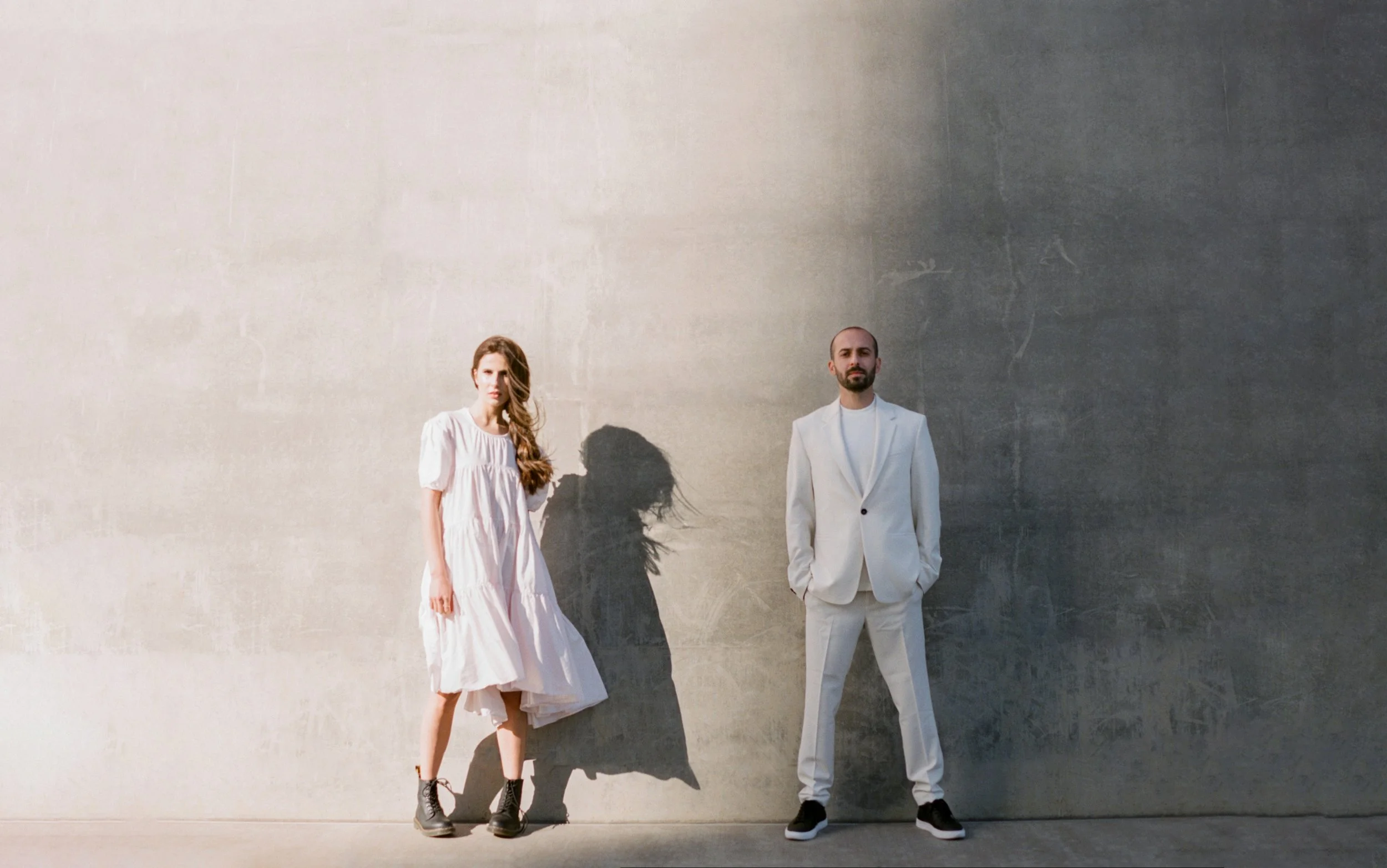
In Los Angeles, scale defines the frame. Streets stretch wide. Architecture feels deliberate. Sunlight is often bold, casting sharp lines and long shadows.
In San Francisco, the city compresses and expands at once. Hills interrupt symmetry. Fog filters brightness into something quieter. Movement feels layered.
Urban environments carry structure. They ask for awareness of geometry, contrast, and pacing. A photographer working in these spaces must respond to energy without amplifying it unnecessarily.
For couples planning celebrations in Southern or Northern California’s cities, the environment naturally influences how imagery unfolds.
You can explore more about wedding photography in Los Angeles here.
And see how San Francisco celebrations are approached here.
Coastlines Encourage Stillness
Carmel and Monterey move differently from cities.
Wind, water, and open sky soften everything. Sound disperses. Conversations stretch. Light bends gradually toward evening.
Coastal weddings often contain longer pauses. Portraits feel less directed because the landscape already offers depth. The horizon creates space that doesn’t need to be filled.
In these settings, subtle gestures matter more than spectacle.
The coastline does not demand attention. It rewards observation.

Vineyards and Estates Hold the Day Gently
In Napa and Sonoma, time feels slower.
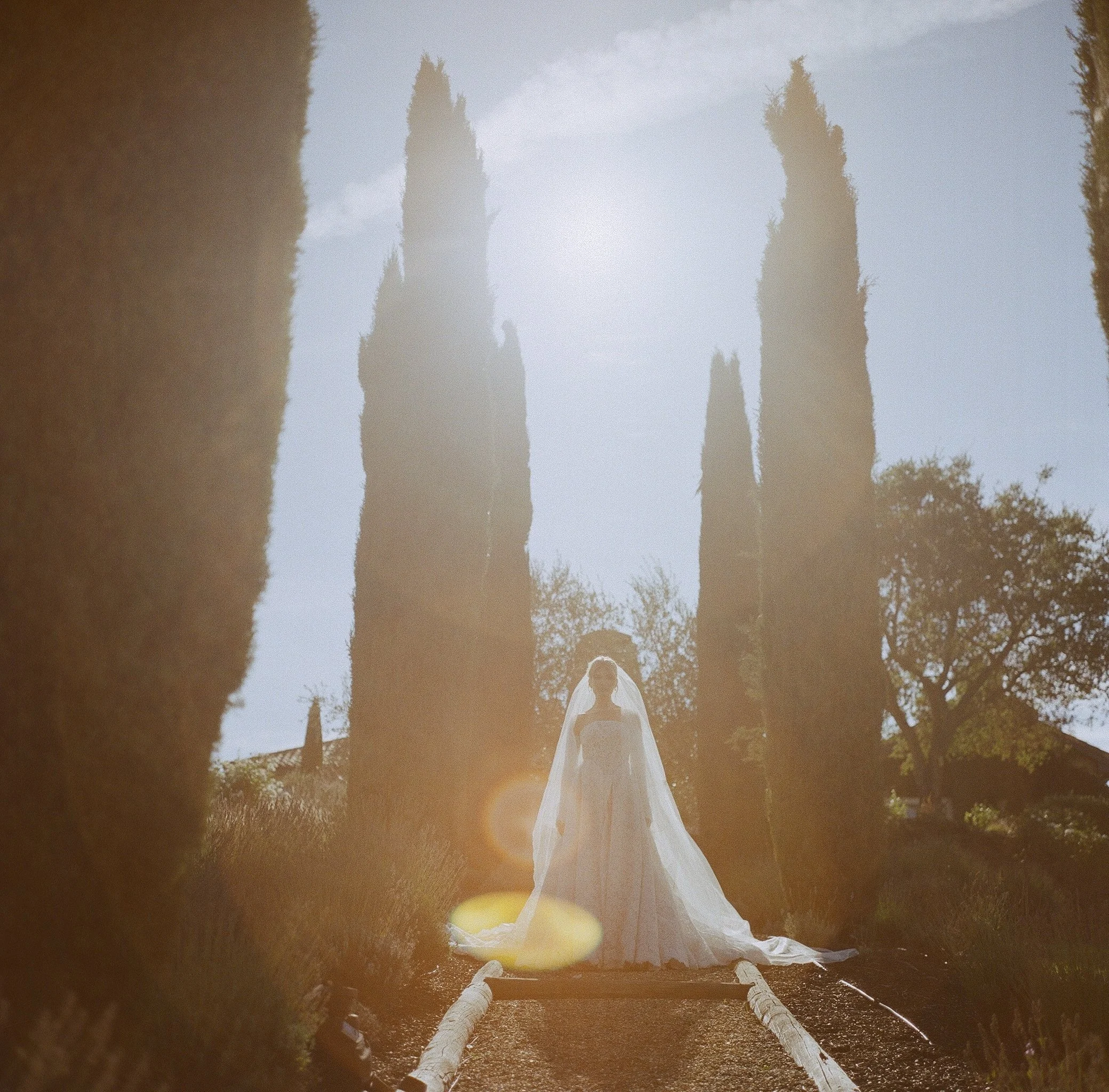
Rows of vines create repetition without rigidity. Estates open into gardens and terraces that allow guests to wander. Sunlight settles into a warmer register late in the day.
These environments invite a measured pace. Film responds well to this softness, holding nuance in the greens, creams, and fading golds that define wine country.
The setting influences how couples move, how they gather, and how light wraps around them.
For those planning estate celebrations, you can explore how weddings in Napa and Sonoma are approached here.

Environment Shapes Emotion
Place does more than alter light. It shapes energy.
Urban weddings often carry momentum. Guests arrive from multiple directions. Celebrations transition quickly between ceremony and reception spaces.
Coastal weddings breathe between moments.
Estate weddings unfold across layers of landscape.
When environment shifts, the rhythm of the day shifts with it.
Photography that feels cohesive must acknowledge this rhythm rather than impose one.

Style Is Not Separate From Setting
It is common to talk about photography style in isolation. Documentary. Editorial. Film.
In reality, style interacts with environment constantly.
Observation looks different in a crowded city than it does along a quiet stretch of coastline. Composition feels different in a vineyard than it does beneath concrete beams.
Place refines approach.
The most compelling wedding imagery emerges when photographer and environment are in conversation rather than competition.

Choosing a Photographer Who Understands Place
When couples choose a location intentionally, whether a San Francisco courthouse, a Los Angeles rooftop, a Carmel bluff, or a Sonoma estate, they are already shaping the narrative of their day.
Working with someone who recognizes how environment influences tone allows that narrative to feel integrated rather than imposed.
Place is not decoration. It is structure.
Understanding that makes all the difference.
faqs
-
Location influences light, architecture, pacing, and atmosphere, all of which shape how a wedding day is documented.
-
Urban environments, coastlines, vineyards, and estates each create distinct lighting conditions and emotional rhythms.
-
Yes. Coastal fog, urban transitions, and estate layouts can influence how a day flows and how photography is scheduled.
-
A photographer who understands how a region’s light and landscape behave can adapt naturally and create imagery that feels cohesive.
-
Approach remains consistent, but composition and pacing respond to environment so that imagery feels connected to its setting.